

Introduction
Python has become one of the most widely used programming languages in the world due to its simplicity, flexibility, and strong ecosystem. Upgrade Oxzep7 Python From web development to artificial intelligence, it powers millions of applications globally. Upgrade Oxzep7 Python However, as projects grow larger, developers often face performance bottlenecks that slow down execution and increase resource usage.
The concept of “Oxzep7 Python” has recently appeared in online discussions, often associated with performance improvements and upgrades. Upgrade Oxzep7 Python In reality, Upgrade Oxzep7 Python it is not an official Python module or recognized package. Instead, it is commonly used as a symbolic or misleading term in various tutorials and blog posts.
This article focuses on real, practical, and proven techniques inspired by what users search for under “oxzep7 python upgrade guide” and modern optimization practices in Python development. Upgrade Oxzep7 Python The goal is to help developers improve speed, stability, and scalability using industry-standard tools and methods.
What is Oxzep7 Python?
The term Upgrade Oxzep7 Python does not exist in official Python documentation or trusted package repositories like PyPI. Upgrade Oxzep7 Python There is no verified framework, library, or update named Oxzep7.
In most technical discussions, it appears as a confusing or fictional label rather than a real development tool. Because of this, we focus on real optimization strategies instead of Upgrade Oxzep7 Python relying on misleading terminology.
When people search for “what is Upgrade Oxzep7 Python”, they are usually trying to understand performance improvements or upgrades in Python systems. Upgrade Oxzep7 Python The correct approach is to look at Python’s built-in optimization ecosystem.
Instead of relying on unknown tools, developers should focus on:
- Official Python updates
- Performance libraries
- System-level optimization techniques
Oxzep7 vs Traditional Python Performance
The idea of comparing “Oxzep7” with traditional Python performance is Upgrade Oxzep7 Python misleading because Oxzep7 is not a real benchmark or system.
However, we can interpret “oxzep7 vs traditional python performance” as a comparison between unoptimized code and optimized Python applications.
Traditional Python performance depends heavily on:
- Code structure
- Memory usage
- Library selection
- Algorithm efficiency
Optimized Python performance improves through:
- Better runtime management
- Efficient libraries
- Concurrency techniques
- Proper dependency handling
This is where real improvements happen Upgrade Oxzep7 Python, not through fictional upgrades.
Python Environment Setup
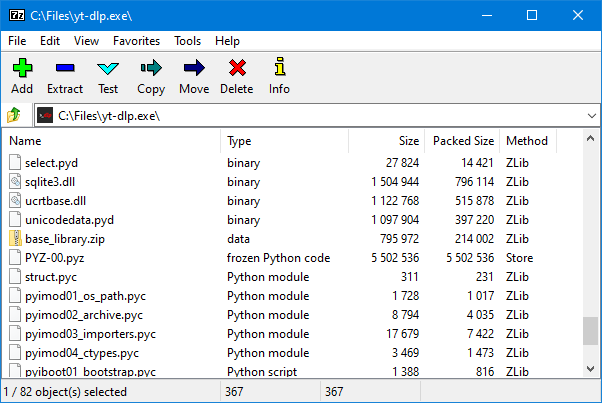
A clean development environment is the foundation of every high-performance Upgrade Oxzep7 Python application.
Proper python environment setup ensures that dependencies Upgrade Oxzep7 Python remain isolated and conflicts are avoided.
Using a virtual environment is considered best practice in modern development workflows.
The virtual environment python venv tool allows developers to create isolated environments where packages do not interfere with system-wide installations.
A typical workflow includes:
- Creating a virtual environment
- Activating the environment
- Installing required packages
- Managing dependencies separately for each project
This ensures stability and avoids version conflicts across projects.
Python Package Upgrade Process
The python package upgrade process is essential for maintaining performance, security, and compatibility.
Upgrading packages ensures that developers benefit from bug fixes and optimization improvements introduced by library maintainers.
The most common method involves the pip install upgrade command, Upgrade Oxzep7 Python which updates installed packages to their latest versions.
However, upgrades should always be tested in a controlled environment before deployment to production systems.
Oxzep7 Upgrade Guide (Conceptual Explanation)

When users search for oxzep7 python upgrade guide, they are typically looking for performance optimization steps.
Even though Oxzep7 is not real, we can structure a practical upgrade guide based on real Python development practices:
- Update Python runtime to the latest stable version
- Upgrade all dependencies using pip
- Optimize code execution paths
- Replace inefficient loops with optimized structures
- Profile application performance regularly
This approach ensures maximum efficiency without relying on non-existent tools Upgrade Oxzep7 Python.
Python Performance Optimization
One of the most important aspects of development is python performance optimization.
Performance optimization focuses on improving execution speed and reducing memory usage.
Key areas include:
- Algorithm optimization
- Data structure selection
- Memory handling
- Efficient API usage
Modern applications, especially in AI and data science, require highly optimized Python systems to handle large workloads efficiently Upgrade Oxzep7 Python.
High-Performance Python Libraries
Using high-performance python libraries is one of the fastest ways to improve execution speed.
Some widely used libraries include:
- NumPy for numerical computation
- Pandas for data manipulation
- SciPy for scientific computing
- PyTorch and TensorFlow for AI workloads
These libraries are written in optimized C or C++ backends, making them significantly faster than pure Python implementations Upgrade Oxzep7 Python.
Python Dependency Management
Proper python dependency management is critical for stable applications.
Without proper management, projects can suffer from version conflicts and broken installations.
Developers often use:
- Requirements files
- Virtual environments
- Version pinning
This ensures that every environment behaves consistently across machines Upgrade Oxzep7 Python.
Python Package Compatibility Issues
One of the most common problems in development is python package compatibility issues.
These issues occur when:
- Packages require different dependency versions
- Libraries are not updated properly
- System Python conflicts with project Python
Solving compatibility issues requires careful version control and testing before deployment.
Troubleshooting Python Package Errors
Understanding troubleshooting python package errors is essential for developers.
Common errors include:
- Missing modules
- Version conflicts
- Broken installations
A typical fix involves reinstalling packages Upgrade Oxzep7 Python or recreating virtual environments.
Python Module Not Found Error Solution
The python module not found error solution usually involves:
- Installing missing dependencies
- Checking virtual environment activation
- Verifying Python path configuration
This is one of the most frequent issues faced by beginners.
Python Concurrency Tools
Modern applications rely heavily on python concurrency tools to improve performance.
Concurrency allows multiple tasks to run simultaneously, improving efficiency.
Python supports:
- Threading
- Multiprocessing
- Async IO
These tools help scale applications for high-demand workloads.
Memory Management Python Optimization
Efficient memory management python optimization ensures Upgrade Oxzep7 Python applications do not consume excessive system resources.
Python uses automatic garbage collection, but developers must still optimize object usage and avoid unnecessary memory allocation.
How to Improve Python Speed for Large Datasets
When working with large datasets, how to improve python speed for large datasets becomes a critical question.
The best methods include:
- Using vectorized operations
- Avoiding loops where possible
- Using NumPy and Pandas efficiently
- Reducing memory overhead
These techniques significantly improve performance in data-heavy applications.
AI Workload Optimization Python
Modern AI systems require advanced AI workload optimization python techniques.
AI workloads are computationally expensive and require Upgrade Oxzep7 Python:
- GPU acceleration
- Efficient tensor operations
- Optimized data pipelines
Proper optimization reduces training time and improves scalability Upgrade Oxzep7 Python.
Machine Learning Python Libraries
The ecosystem of machine learning python libraries includes powerful tools like:
- Scikit-learn
- TensorFlow
- PyTorch
These libraries are optimized for performance and large-scale computations.
Python Data Processing Performance
Improving python data processing performance is essential for analytics and engineering systems.
This involves:
- Efficient file handling
- Streaming data processing
- Parallel execution
Python Library Installation Steps
Correct python library installation steps ensure system stability:
- Use pip for installation
- Install inside virtual environments
- Verify versions after installation
Python Upgrade Best Practices
Following python upgrade best practices helps avoid system failures:
- Always backup environments
- Test in staging before production
- Avoid forced upgrades in live systems
Python Development Workflow Optimization
Efficient python development workflow optimization improves productivity by:
- Automating testing
- Using CI/CD pipelines
- Maintaining clean project structure
Oxzep7 Python Performance Improvements
The phrase Upgrade Oxzep7 Python performance improvements is often used online, but real improvements come from:
- Better algorithms
- Efficient libraries
- Proper system design
There is no standalone Oxzep7 enhancement in Python.
How to Upgrade Python Libraries
The best way to upgrade python libraries is:
- Use pip upgrade commands
- Test compatibility first
- Update dependencies gradually
Python Pip Upgrade Command Tutorial
The python pip upgrade command tutorial typically involves:
pip install –upgrade pip
This ensures the package manager itself is up to date.
How to Use Virtual Environment in Python
The how to use virtual environment in python process involves:
- Creating isolated environments
- Installing dependencies separately
- Activating environments before development
Common Python Upgrade Errors and Fixes
The common python upgrade errors and fixes include:
- Broken dependencies
- Version mismatches
- Missing packages
How to Benchmark Python Performance
The how to benchmark python performance process includes:
- Measuring execution time
- Using profiling tools
- Comparing optimized vs unoptimized code
Python Multi-Core Processing Tools
The python multi-core processing tools include multiprocessing libraries that help distribute workloads across CPU cores.
How to Avoid Breaking Code During Upgrades
The how to avoid breaking code during upgrades strategy involves:
- Testing in staging environments
- Using version control
- Locking dependencies
Profile Details of Oxzep7 Python (Not Applicable)
Since Upgrade Oxzep7 Python is not a real person or entity, attributes like:
- Age
- Height
- Family
- Net worth
- Social media
- Physical appearance
are not applicable.
There is no real-world identity associated with this keyword. Any such claims found online are fabricated or misleading.
FAQs – Upgrade Oxzep7 Python
1. What is Oxzep7 in Python?
What is oxzep7 in python refers to a misleading or non-official term found online. Upgrade Oxzep7 Python It is not part of Python’s official libraries, packages, or documentation. In reality, Python does not include any tool or module named Oxzep7.
2. Is Oxzep7 Python a real upgrade or tool?
No, Oxzep7 is not a real Python upgrade or tool Upgrade Oxzep7 Python. It is often confused with performance optimization discussions, but there is no official release or framework with this name.
3. How do I safely upgrade Python performance?
To safely improve performance, focus on real practices like upgrading Python versions, using optimized libraries, and following python performance optimization techniques such as better algorithms and memory handling.
4. What is the best way to upgrade Python libraries?
The best way to upgrade python libraries is using pip commands inside a virtual environment:
pip install –upgrade package-name
Always test upgrades before using them in production.
5. How do I fix Python dependency conflicts?
how to fix python dependency conflicts involves checking version compatibility, using virtual environments, and locking dependencies with requirements files.
Conclusion
The concept of Oxzep7 Python is not an official part of the Python ecosystem. Instead of focusing on non-existent tools, developers should rely on proven optimization strategies, modern libraries, and best practices.
Real performance gains come from:
- Efficient coding
- Proper environment setup
- Dependency management
- Profiling and benchmarking
- Using optimized libraries
By following these methods, developers can achieve significantly better performance in real-world Python applications.
