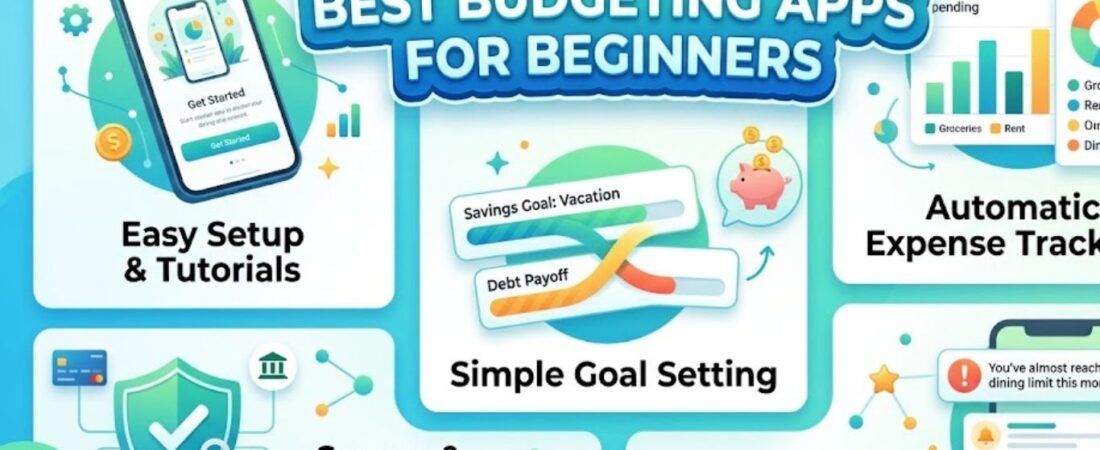
Best Budgeting Apps for Beginners (2026): Complete Guide
Managing money has never been easier—or more confusing. With hundreds of budgeting applications available on Android, iPhone, and desktop, beginners often struggle to decide which one deserves their trust. Some apps promise automated savings, while others focus on zero-based budgeting, envelope budgeting, subscription tracking, or AI-powered spending analysis. Choosing the wrong one can make budgeting feel overwhelming instead of empowering.
Recent financial technology reviews show that beginners consistently prefer apps with clean interfaces, automatic transaction categorization, and simple budgeting systems over feature-heavy platforms. Experts currently recommend YNAB, Spendee, EveryDollar, PocketGuard, Goodbudget, and Monarch Money among the strongest options depending on personal budgeting style.
This guide explains everything you need to know before downloading your first budgeting app. You’ll learn which apps are actually worth your time, what features matter most, how much you should expect to pay, and which budgeting philosophy matches your lifestyle.
Why Budgeting Apps Matter for Beginners
Most people don’t overspend because they lack discipline. They overspend because they simply don’t know where their money goes. Coffee purchases, food delivery, online subscriptions, impulse shopping, and forgotten recurring payments slowly drain monthly income without being noticed. A budgeting app acts like a financial mirror—it reflects spending habits that are difficult to recognize on your own.
Traditional budgeting with notebooks or spreadsheets still works, but modern apps automate much of the process. Bank synchronization, spending alerts, bill reminders, savings goals, and visual charts help beginners stay engaged without requiring hours of manual calculations. Many apps even categorize expenses automatically, making it easy to identify patterns in entertainment, groceries, transportation, healthcare, and utilities.
Research and financial experts increasingly emphasize that consistent expense tracking improves financial awareness and supports better long-term saving and investing habits. Modern budgeting tools are also incorporating AI-powered insights that help users identify unnecessary spending and optimize monthly cash flow.
The greatest benefit, however, isn’t the technology itself. It’s the habit the technology creates. When someone checks their budget just a few minutes each day, they naturally become more intentional with spending decisions. That behavioral change often leads to reduced financial stress, higher savings rates, and improved confidence in managing money.
What Makes a Great Budgeting App?
Choosing a budgeting app isn’t about downloading the one with the highest rating in the app store. Instead, it’s about finding software that matches your financial personality. Someone who enjoys planning every dollar may thrive with a zero-based budgeting app like YNAB, while another person who prefers simplicity may appreciate the clean design of Spendee or PocketGuard.
Several characteristics separate excellent budgeting apps from average ones. First is ease of use. Beginners should be able to create a budget within minutes rather than spending hours learning complicated financial terminology. Clean navigation, understandable charts, and intuitive dashboards significantly improve long-term engagement.
Security is equally important. Since budgeting apps often connect directly to bank accounts and credit cards, reputable platforms invest heavily in encryption, secure authentication, and privacy protections. Experts recommend choosing applications that provide bank-grade security, support multi-factor authentication, and maintain transparent privacy policies.
Useful automation is another major advantage. Features such as recurring bill reminders, automatic transaction imports, spending notifications, customizable savings goals, and intelligent categorization reduce manual work while helping users maintain consistent budgeting habits. Beginners benefit most when technology removes friction instead of creating additional tasks.
Essential Features Every Beginner Should Look For
Before installing any budgeting application, evaluate whether it includes features that genuinely improve financial management rather than simply adding complexity.
| Feature | Why It Matters |
|---|---|
| Automatic bank syncing | Saves time by importing transactions |
| Expense categorization | Shows spending habits instantly |
| Savings goals | Keeps motivation high |
| Bill reminders | Helps avoid late fees |
| Budget alerts | Prevents overspending |
| Reports and charts | Makes financial trends easy to understand |
| Cross-device support | Access your budget anywhere |
| Bank-grade security | Protects sensitive financial information |
Although premium apps often include advanced forecasting, investment tracking, and AI-powered recommendations, beginners should prioritize usability over feature count. A simpler application that you use consistently is almost always better than a sophisticated platform you abandon after two weeks.
Best Budgeting Apps for Beginners in 2026
Finding the best budgeting apps for beginners is less about downloading the most expensive option and more about choosing software that matches your financial habits. Every app has its own budgeting philosophy. Some encourage users to assign every dollar a purpose before spending, while others automatically analyze spending patterns and suggest areas where money can be saved. Understanding these differences can help beginners avoid frustration and stay committed to budgeting for the long term.
The following budgeting apps continue to receive strong reviews from financial experts and users in 2026 because they combine reliability, security, and beginner-friendly features. While no single app is perfect for everyone, each offers unique strengths that make it worth considering.
YNAB (You Need A Budget)
YNAB remains one of the most respected budgeting applications available today. Unlike traditional expense trackers that simply record what you’ve already spent, YNAB encourages users to plan every dollar before it leaves their account. This proactive budgeting method helps beginners develop healthier spending habits while building emergency savings over time.
The learning curve is slightly steeper than some competitors because YNAB introduces its own budgeting philosophy. New users may initially find concepts like assigning every dollar a job unfamiliar, but the educational resources and interactive tutorials make the transition much easier. Thousands of users report that after several weeks of consistent use, budgeting becomes second nature rather than a monthly chore.
Another reason beginners appreciate YNAB is its educational approach. The company provides webinars, budgeting workshops, detailed articles, and video tutorials that explain not just how to use the software but also how to improve financial decision-making. This combination of software and financial education creates lasting habits instead of temporary fixes.
Best for: People who want complete control over every dollar they earn.
Key Features
- Zero-based budgeting
- Goal tracking
- Bank synchronization
- Debt payoff planning
- Detailed financial reports
- Cross-platform support
Spendee
For beginners who prefer simplicity over complexity, Spendee offers one of the cleanest interfaces in personal finance. The app emphasizes visual budgeting with colorful charts, customizable categories, and collaborative wallets that families or couples can use together.
One of Spendee’s biggest strengths is flexibility. Users can connect bank accounts for automatic tracking or manually enter expenses if they prefer greater privacy. This makes the application suitable for people living in countries where bank integrations may vary or those who simply want more control over their financial data.
The app also supports multiple currencies, making it an excellent choice for travelers, freelancers working internationally, or digital nomads. Budget categories are easy to customize, allowing beginners to organize spending in ways that make sense for their personal lifestyles rather than forcing them into rigid financial templates.
Although the free version provides substantial functionality, upgrading unlocks additional insights, unlimited wallets, and enhanced financial reports that become increasingly valuable as budgeting habits mature.
Best for: Users who want an attractive, visual budgeting experience.
EveryDollar
Developed around the principles of zero-based budgeting, EveryDollar focuses on helping users create monthly spending plans quickly and efficiently. Its clean interface eliminates unnecessary distractions, allowing beginners to concentrate on income, expenses, and savings goals.
The budgeting process begins by entering expected monthly income, followed by assigning every dollar to spending categories before the month begins. This approach encourages intentional spending and reduces impulsive purchases because users already know where every dollar belongs.
The premium version enhances the experience through automatic bank synchronization and faster transaction tracking. Without synchronization, manual expense entry is required, which may actually help some beginners become more conscious of their daily spending.
Another advantage is the educational content surrounding the app. Many first-time budgeters appreciate the financial guidance, budgeting lessons, and practical advice that accompany the software.
Best for: Beginners who like straightforward monthly planning.
Goodbudget
Unlike many modern budgeting apps, Goodbudget is built around the classic envelope budgeting method. Instead of using physical envelopes filled with cash, users create digital envelopes for groceries, transportation, entertainment, rent, dining, and savings.
Every purchase subtracts money from its assigned envelope. Once an envelope reaches zero, spending in that category stops until the next budgeting cycle begins. This visual approach helps beginners understand spending limits without constantly checking bank balances.
Goodbudget works particularly well for people who prefer manual budgeting instead of automatic bank synchronization. Since transactions are entered manually, users become more aware of every purchase they make. Couples also benefit from synchronized budgeting across multiple devices, making shared financial planning significantly easier.
The interface remains intentionally simple, avoiding unnecessary complexity while still offering useful reports and spending summaries.
Best for: People who want to follow the envelope budgeting system.
PocketGuard
Many beginners struggle because they don’t know how much money is actually available to spend after paying bills and saving for future goals. PocketGuard solves this problem through its signature “In My Pocket” feature, which calculates disposable income automatically.
After linking financial accounts, the app analyzes recurring bills, income, subscriptions, and savings goals. It then displays the remaining amount available for discretionary spending. This straightforward approach removes much of the guesswork associated with daily financial decisions.
PocketGuard also excels at identifying recurring subscriptions that users may have forgotten about. Streaming services, gym memberships, software subscriptions, and other recurring expenses become much easier to monitor, potentially saving hundreds of dollars annually.
Its automation appeals to beginners who want budgeting assistance without manually categorizing every transaction.
Best for: Busy users who want automated budgeting.
Monarch Money
Monarch Money has grown rapidly because it combines budgeting, investment tracking, financial planning, and net worth monitoring within a single platform. While it offers advanced capabilities, the interface remains approachable enough for motivated beginners.
Unlike apps that focus exclusively on monthly expenses, Monarch provides a complete picture of personal finances. Users can monitor checking accounts, savings accounts, investments, retirement funds, loans, and credit cards from one dashboard.
Families particularly appreciate its collaborative budgeting features, allowing multiple household members to participate in financial planning while maintaining transparency. Goal tracking, customizable categories, and detailed reports further enhance long-term financial planning.
Although Monarch requires a subscription, many users consider it worthwhile because it eliminates the need for multiple financial apps.
Best for: Families and individuals wanting comprehensive financial management.
Rocket Money
Formerly known as Truebill, Rocket Money continues to be one of the most popular budgeting applications for beginners thanks to its automation and subscription management tools.
One standout feature is automatic subscription detection. Many people unknowingly pay for streaming platforms, fitness memberships, cloud storage services, and software subscriptions they rarely use. Rocket Money identifies these recurring expenses and helps users evaluate whether they’re still worthwhile.
The app also provides spending insights, customizable budgets, bill negotiation services in some regions, and credit monitoring features. Beginners appreciate how quickly the dashboard summarizes monthly income, spending categories, recurring expenses, and savings progress.
For users who dislike spreadsheets and manual budgeting, Rocket Money offers a practical balance between automation and financial awareness.
Best for: Users focused on reducing unnecessary monthly expenses.
Comparison Table of the Best Budgeting Apps
| App | Free Version | Bank Sync | Budget Style | Best For |
|---|---|---|---|---|
| YNAB | Trial Only | Yes | Zero-Based | Serious budget planners |
| Spendee | Yes | Yes | Flexible | Visual learners |
| EveryDollar | Yes | Premium | Zero-Based | Monthly planning |
| Goodbudget | Yes | Manual | Envelope | Cash-style budgeting |
| PocketGuard | Yes | Yes | Automated | Busy professionals |
| Monarch Money | Trial | Yes | Comprehensive | Families |
| Rocket Money | Yes | Yes | Automated | Subscription tracking |
These apps each serve a slightly different audience, yet they all share one important quality—they simplify money management for beginners. The best choice ultimately depends on your budgeting style, financial goals, and willingness to engage with the budgeting process consistently.
Free vs Paid Budgeting Apps
One of the biggest questions beginners ask is whether they really need to pay for a budgeting app. The answer depends on your financial goals, the level of automation you want, and how committed you are to improving your money management habits. Fortunately, many of the best budgeting apps for beginners offer generous free plans that are more than enough for people just starting their budgeting journey.
Free budgeting apps generally include the essential features needed to build good financial habits. These often include manual expense tracking, basic budget creation, spending reports, and simple savings goals. If your primary objective is understanding where your money goes every month, a free app can accomplish that without requiring any investment. Apps like Goodbudget, Rocket Money, and Spendee provide enough functionality for beginners to become comfortable with budgeting before considering premium features.
Paid budgeting apps, however, offer significant advantages that become increasingly valuable as your finances grow more complex. Premium subscriptions commonly include automatic bank synchronization, advanced financial forecasting, customizable reports, investment tracking, debt payoff calculators, credit score monitoring, bill reminders, and AI-powered spending insights. These tools reduce manual work while providing a deeper understanding of your financial health.
The decision should not be based solely on price. Instead, consider whether the premium features will genuinely save time or help you achieve your financial goals faster. Spending a small monthly subscription may be worthwhile if it prevents unnecessary expenses, helps eliminate debt sooner, or encourages consistent saving. Many users find that a budgeting app pays for itself simply by identifying forgotten subscriptions or reducing impulse purchases.
| Feature | Free Apps | Paid Apps |
|---|---|---|
| Budget Creation | ✅ | ✅ |
| Manual Expense Tracking | ✅ | ✅ |
| Automatic Bank Sync | Limited | ✅ |
| Advanced Reports | Limited | ✅ |
| Investment Tracking | ❌ | ✅ |
| Debt Management Tools | Limited | ✅ |
| Financial Forecasting | ❌ | ✅ |
| Premium Customer Support | ❌ | ✅ |
For complete beginners, starting with a free plan is usually the smartest approach. Once budgeting becomes a regular habit, upgrading to a premium version becomes a logical next step if you find yourself wanting additional automation or more detailed financial insights.
How to Choose the Right Budgeting App
Choosing among the many best budgeting apps for beginners may seem overwhelming at first, but the process becomes much simpler when you focus on your own financial habits rather than marketing claims. The best app is not necessarily the one with the most features—it is the one you will consistently use every week.
The first consideration should be your budgeting style. Some people enjoy planning every dollar before the month begins, making zero-based budgeting apps like YNAB or EveryDollar an excellent choice. Others prefer monitoring spending after purchases occur, which makes automated apps such as PocketGuard or Rocket Money more suitable. Understanding how you naturally think about money will help narrow your options considerably.
Another important factor is automation. If you dislike manually entering transactions, choose an app that securely connects to your bank accounts and imports purchases automatically. Automated categorization saves time and reduces the likelihood of forgetting expenses. However, some beginners intentionally prefer manual tracking because entering every transaction increases awareness and accountability.
Consider your long-term financial goals as well. If your immediate objective is paying off debt, prioritize apps that offer debt payoff calculators and progress tracking. If you’re saving for a home, vacation, or emergency fund, look for customizable savings goals and visual progress indicators. Families may benefit from collaborative budgeting features that allow multiple users to manage household finances together.
Security should never be overlooked. Since budgeting apps often contain highly sensitive financial information, choose platforms that use bank-level encryption, multi-factor authentication, and transparent privacy policies. Reading independent reviews and checking how frequently the app receives updates can also provide confidence that your financial data remains protected.
Pricing is another practical consideration. While premium budgeting apps often provide excellent value, beginners should avoid paying for features they are unlikely to use. Many services offer free trials, giving you the opportunity to explore the interface and determine whether it fits your needs before committing to a subscription.
Perhaps the most overlooked factor is user experience. An app with an intuitive design encourages daily engagement, while a confusing interface often leads users to abandon budgeting altogether. Downloading two or three highly rated apps and testing them for a week each is often the best way to identify the platform that feels most comfortable.
Common Mistakes Beginners Should Avoid
Even the best budgeting apps for beginners cannot guarantee financial success if they are used incorrectly. Many first-time users become discouraged because they expect immediate perfection rather than gradual improvement. Understanding the most common budgeting mistakes can help you build sustainable habits from the beginning.
One frequent mistake is creating unrealistic budgets. People often underestimate how much they actually spend on groceries, dining out, entertainment, transportation, or personal shopping. When budgets are too restrictive, users quickly become frustrated and abandon the entire process. Instead, begin by tracking actual spending for a month before making significant adjustments.
Another common error is forgetting irregular expenses. Insurance premiums, annual subscriptions, holiday gifts, car maintenance, school supplies, and medical costs do not occur every month, yet they should still be included in your financial planning. Setting aside a small amount each month for these predictable but infrequent expenses prevents unpleasant surprises later in the year.
Many beginners also ignore small purchases because they seem insignificant. A daily coffee, occasional snack, or impulse online purchase may appear harmless individually, but together they can represent hundreds or even thousands of dollars annually. Budgeting apps excel at revealing these spending patterns, allowing users to make informed decisions without eliminating every enjoyable expense.
Failing to review budgets regularly is another widespread problem. Budgeting should not be a task completed only once a month. Spending a few minutes each day reviewing transactions keeps financial goals fresh in your mind and allows small issues to be corrected before they become larger problems.
Another mistake is focusing exclusively on cutting expenses while ignoring opportunities to increase income. Budgeting is about optimizing your financial life, not simply spending less. As your financial confidence grows, consider combining effective budgeting with strategies such as freelancing, investing, or developing additional income streams.
Finally, avoid comparing your budget with someone else’s. Every person’s financial situation, priorities, income, and responsibilities are unique. Your budgeting app should reflect your personal goals rather than attempting to imitate another person’s lifestyle. Consistency always produces better results than perfection, and even small improvements made month after month can lead to substantial financial progress over time.
Final Verdict
After evaluating today’s leading options, it’s clear that there is no single perfect budgeting application for everyone. The best budgeting apps for beginners are those that make managing money feel simple, consistent, and motivating rather than stressful or overwhelming.
If you want complete control and are willing to learn a proven budgeting system, YNAB remains one of the strongest choices available. Beginners who value visual simplicity may find Spendee more enjoyable, while those looking for automation should seriously consider PocketGuard or Rocket Money. Families and users who want a complete financial dashboard may benefit most from Monarch Money, whereas people who enjoy traditional envelope budgeting will appreciate Goodbudget.
The most important decision is not which app you install—it is whether you commit to using it consistently. Even the most advanced budgeting software cannot improve your finances unless you actively engage with it. Spending just a few minutes each day reviewing your transactions, adjusting your budget, and monitoring progress can dramatically increase your financial confidence over time.
Remember that budgeting is a skill, not a destination. Your first budget does not need to be perfect. As your income changes, financial goals evolve, and spending habits improve, your budgeting system will naturally become more effective. Start with a beginner-friendly app, stay consistent, and allow small daily improvements to compound into long-term financial success.
Conclusion
Choosing the best budgeting apps for beginners is one of the smartest financial decisions you can make in 2026. A good budgeting app doesn’t just track where your money goes—it helps you build better financial habits, reduce unnecessary spending, increase savings, and make informed decisions about your future. Whether you’re managing your first paycheck, paying off debt, saving for a major purchase, or simply trying to gain control over your monthly expenses, the right app can make budgeting far less intimidating.
Each app featured in this guide offers unique advantages. YNAB excels at proactive budgeting and financial education, Spendee provides a visually appealing and flexible experience, EveryDollar simplifies zero-based budgeting, Goodbudget modernizes the envelope system, PocketGuard automates spending analysis, Monarch Money delivers comprehensive financial planning, and Rocket Money helps eliminate unnecessary subscriptions while keeping your budget on track.
The key to success isn’t downloading every budgeting app available—it’s selecting one that fits your lifestyle and committing to using it consistently. Start by tracking your income and expenses, create realistic spending categories, review your budget regularly, and make small adjustments as your financial situation changes. Over time, these simple habits can lead to significant improvements in your financial health, helping you save more, spend more intentionally, and achieve your long-term goals with greater confidence.
Frequently Asked Questions
1. What is the best free budgeting app for beginners?
Several excellent free budgeting apps are available, including Goodbudget, Rocket Money, and Spendee. These apps offer essential features such as expense tracking, budget creation, and spending reports without requiring a paid subscription. If you’re new to budgeting, starting with a free version is a great way to develop consistent financial habits before considering premium features.
2. Are budgeting apps safe to use?
Yes, reputable budgeting apps use bank-grade encryption, secure data transmission, and multi-factor authentication to protect user information. Before connecting your financial accounts, always review the app’s privacy policy, security certifications, and user reviews to ensure it follows industry-standard security practices.
3. Do I need to connect my bank account?
No. Many budgeting apps allow manual expense tracking if you prefer not to link your bank accounts. Manual entry requires more effort but can increase awareness of daily spending. If convenience is your priority, secure bank synchronization can automatically import transactions and save time.
4. Which budgeting app is best for paying off debt?
YNAB is widely recommended for people focused on eliminating debt because of its zero-based budgeting approach and detailed financial planning tools. EveryDollar also works well for debt repayment by helping users assign every dollar a specific purpose and prioritize debt reduction within their monthly budgets.
5. Can budgeting apps help me save money?
Absolutely. Budgeting apps make it easier to identify unnecessary expenses, monitor spending patterns, set savings goals, and avoid overspending. Many users discover forgotten subscriptions, reduce impulse purchases, and consistently increase their savings simply by reviewing their financial activity on a regular basis.
Final Thoughts
Financial success doesn’t happen overnight, but it does begin with a single step. Downloading one of the best budgeting apps for beginners, creating your first realistic budget, and reviewing it consistently can transform the way you manage money. The earlier you develop strong budgeting habits, the easier it becomes to handle unexpected expenses, achieve financial milestones, and build lasting financial security.